
From Stone Cooking Over Fire to Harmonized Flavors: A History of Chinese Culinary Culture
a history of food culture in China
Chinese culinary culture boasts an exceptionally long history and profound depth, rarely paralleled across the globe. It is far more than a simple matter of what to eat and how to eat. Instead, it stands as a grand epic weaving together technological progress, philosophical thought, social transformation and ethnic exchanges. From the precept of “ritual originates first from food and drink” in the pre-Qin era to the integrated innovations of the present day, cuisine serves as a mirror reflecting the evolutionary path of Chinese civilization.
I. Origins and Foundations: From Raw Flesh and Blood to Banquets with Chimes and Tripods
The story of Chinese culinary culture began in the misty prehistoric age. The mastery of fire marked a turning point, ending primitive humans’ raw diet and ushering in the age of cooked food. Around 10,000 years ago, pottery cookware emerged, making boiling food possible. The subsequent invention of the pottery steamers birthed steaming, a unique cooking technique indigenous to China.
The Xia, Shang and Zhou dynasties infused food culture with strong political and ritual connotations. Agriculture became the foundation of society, with the Five Grains established as staple foods. The ancient maxim, “The origin of ritual lies in food and drink”, placed dining at the heart of state rituals. The bronze ding was not merely a cooking vessel but a symbol of sovereign power; feasting amid ringing bells and tripods epitomized aristocratic life. Meanwhile, the concept of the integration of food and medicine was formalized in Huangdi Neijing (The Yellow Emperor’s Internal Classic), laying the groundwork for Chinese dietary wellness traditions.
II. Development and Maturation: North-South Integration and a Rivalry of Diverse Flavors
The Qin-Han through Tang-Song dynasties witnessed vigorous growth in Chinese culinary culture. Zhang Qian’s missions to the Western Regions introduced an array of foreign ingredients including cucumbers, walnuts and sesame, greatly enriching Chinese tables. Widespread access to ironware and stoves refined cooking methods, and the advent of stir-frying represented a revolution in China’s culinary history.
The Tang and especially the Song dynasties saw the collapse of the ward-market system and booming urban economies, giving rise to a golden age of civilian food culture. The three-meal daily diet gradually took hold among common people. Catering businesses flourished, lined with restaurants and teahouses, and regional culinary styles for different social strata began to take shape. Literati such as Su Shi elevated food appreciation to an artistic pursuit of “beauty beyond taste”.
III. Prosperity and Transformation: Formation of Regional Cuisines and Open Absorption

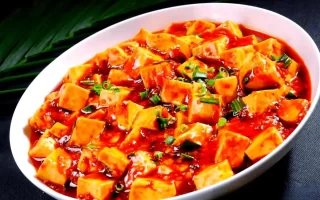
The Ming and Qing dynasties brought Chinese culinary culture to its culmination. Crops from the Americas — maize, potatoes, chili peppers, among others — arrived in China. They reshaped population distribution and profoundly altered local flavors. Chili peppers, in particular, swept across the nation and became the soul of Sichuan cuisine. Imperial feasts exemplified by the Manchu-Han Banquet pushed culinary craftsmanship to new heights of opulence and refinement.
It was also during this era that the modern concept of regional cuisines took shape. Drawing on local produce and folk customs, the Eight Major Cuisines — Shandong, Sichuan, Cantonese, Huaiyang and others — each rose to prominence. Yuan Mei of the Qing Dynasty compiled Suiyuan Shidan (The Recipes of Suiyuan Garden), a comprehensive distillation of culinary theories from preceding ages. Its systematic discussion of ingredient selection, heat control and seasoning signified the full maturity of Chinese culinary theory.
IV. Spiritual Core: Philosophy, Wellness and Aesthetics
Over millennia, Chinese culinary culture is more than a collection of techniques; it is underpinned by a complete worldview. Harmony of the Five Tastes stands as the supreme principle of Chinese cooking. Beyond pursuing balanced flavours, it echoes the philosophy of Yin-Yang and the Five Elements. Within culinary thought, Confucius’ maxim “Eat only finely prepared grain, cut meat only into delicate slices” and Zhuangzi’s vision of “wandering with a full belly” alike demonstrate the intimate bond between food, health, etiquette and spiritual aspiration.
The history of Chinese cuisine is a history of “harmony amid diversity”. It treasures harmony, blending countless ingredients and myriad flavours into spectacular feasts. It embraces constant change, absorbing, merging and innovating across thousands of years. Ultimately, it crystallizes into the distinctive cultural identity and vitality of the Chinese nation.
[…] a history of food culture in China […]