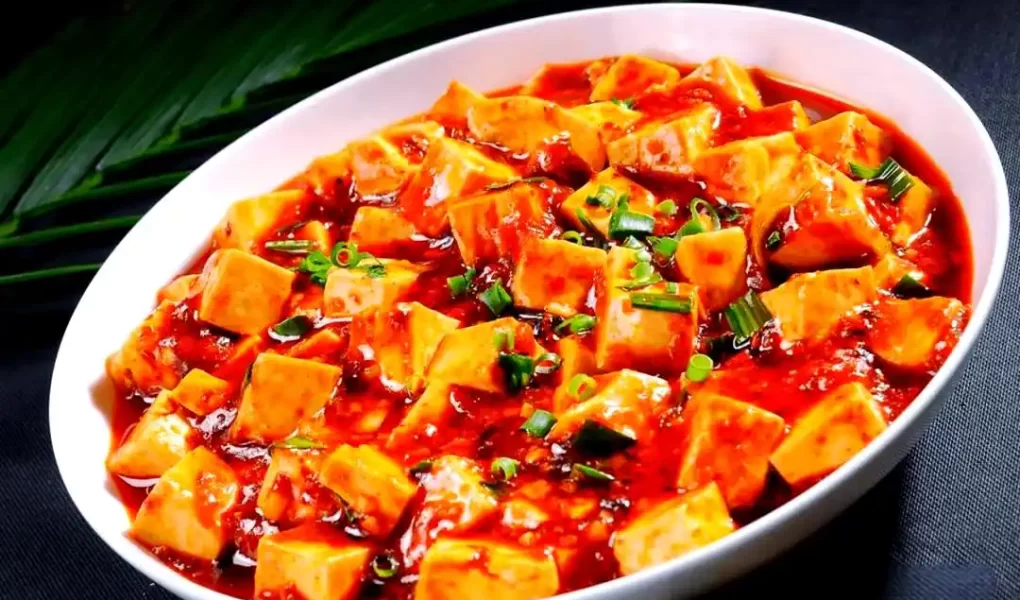
Most-Loved Chinese Cuisine: A Culinary Journey From National Home-Style Dishes to Global Sensations
The popularity of Chinese food can be viewed through two distinct yet equally vibrant lenses: the domestic dining scene, where public preference shapes its national standing, and the new global wave of diners moving past stereotypes to seek authentic Chinese cuisine.
Domestic Landscape: Sichuan vs. Hunan Cuisine, a Rich Tapestry of Regional Flavors
Back home in China, debates over which regional cuisine reigns supreme are endlessly fascinating. Judging by recent market momentum and chain-brand growth, Hunan cuisine has gained remarkable traction, even emerging as a potential new front-runner ahead of Sichuan food. Famous for its bold, fiery-spicy profiles and diverse repertoire of dishes, Hunan cuisine has surged across China’s dining market, spawning well-known chains such as Master Fei’s Stir-Fried Pork with Chili and Lan Xiangzi.
Still, Sichuan cuisine retains unshakable national appeal. Statistics show over 40% of restaurants nationwide serve Sichuan-style dishes, whose influence stretches across every corner of the country. Far more than mere heat and numbing spice, Sichuan cooking shines through its mantra of “a hundred dishes, a hundred flavours”, delivering extraordinarily layered tastes. Classics like Mapo Tofu and Kung Pao Chicken have long become everyday household favourites all over China.
Beyond Sichuan and Hunan, other major cuisines boast loyal followings:
-
Cantonese Cuisine: Synonymous with refinement and premium dining. From high-end seafood restaurants to national chains such as Guangshunxing and Diandude, it thrives by highlighting natural ingredient flavours and masterful culinary craftsmanship.
-
Jiangzhe Cuisine: Celebrated for elegance and subtle lightness. Jiangsu and Zhejiang dishes are visual works of art. Chains like Green Tea and Grandma’s Home have popularised traditional Jiangnan flavours for wider audiences through large-scale commercial operations.
-
Shandong and Huizhou Cuisine: Deep-rooted traditional culinary traditions. Shandong cuisine formed the foundation of many imperial court dishes, while Huizhou cuisine is famed for its exceptional fire-control techniques. Nevertheless, both face market competition from newer, more fashionable regional styles.
Going Global: New-Wave Chinese Food Breaks the General Tso’s Chicken Stereotype
Western perceptions of Chinese food once centred on General Tso’s Chicken and Chop Suey — but times are changing dramatically. Alongside China’s growing soft power, a movement to export genuine Chinese gastronomy is gathering steam overseas.
Today, across Singapore, Malaysia, Europe and North America, a growing number of Chinese restaurants are moving away from localised Western-oriented adaptations and staying true to original flavours. Domestic Chinese chains including Nong Gen Ji (Hunan cuisine) and Green Tea Restaurant are expanding internationally, showcasing the full breadth and diversity of Chinese food rather than offering little more than dumplings and hot pot. Pioneers of this new-wave Chinese food argue that gastronomy is one of China’s most effective, yet most under-valued tools of cultural diplomacy and soft-power showcase.
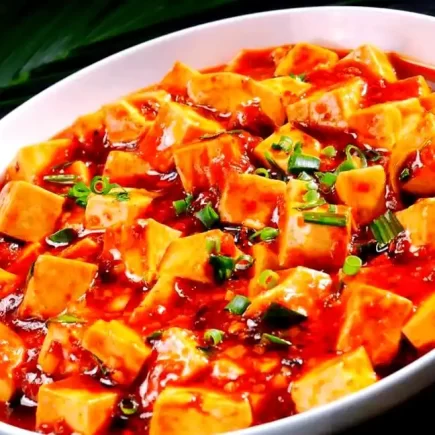
Iconic Dishes Not to Be Missed
Whether you are in China or abroad, these quasi-national classics are well worth trying:
-
Peking Duck: Ceremonial-grade state-banquet cuisine. Crisp duck skin, tender duck meat, paired with thin pancakes, sweet bean sauce and scallion shreds, deliver a feast for both palate and eyes.
-
Hot Pot: The ultimate social-oriented meal. Diners gather around a simmering pot to blanch assorted ingredients. Whether the numbing-spicy Sichuan-Chongqing broth or the clear-broth old-Beijing copper hot pot, it is utterly addictive.
-
Soup Dumplings (Xiao Long Bao): Perfect harmony of broth and minced pork filling. This delicate Shanghai-origin dim sum wins diners over with its signature ritual: “First bite a small opening, then sip the soup inside”.
-
Mapo Tofu: The soul of Sichuan cuisine. Silken tofu and minced beef simmered with broad-bean chilli paste and Sichuan peppercorns create the multi-sensory experience: “numbing, spicy, hot, aromatic, crispy, tender” — an undisputed rice-destroyer.