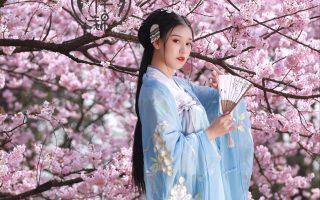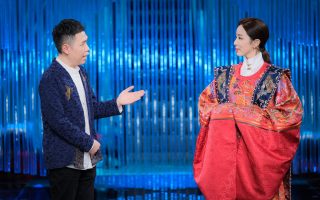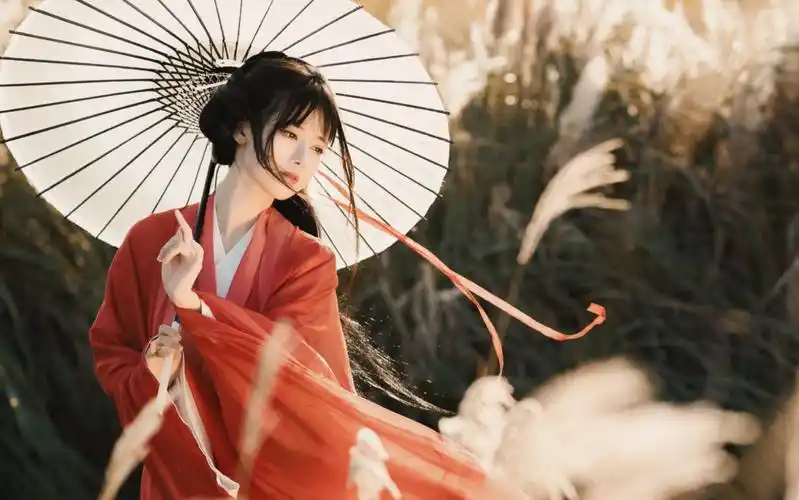
Traditional Chinese clothing forms a profound and extensive system that cannot be summed up by any single garment. In contemporary contexts, Hanfu is the most representative and clearly defined term. It specifically refers to the traditional costume system of the Han ethnic group. Meanwhile, terms such as “Chinese-style clothing”, “Huafu (Chinese finery)” and “Tang suit” interpret the rich connotations of traditional Chinese apparel from different perspectives.
Hanfu: Definition and Core Hanfu, the full name being “Traditional Costumes of the Han Ethnic Group”, is also known as Han official attire, Han attire or Huafu. Spanning from the era of the Yellow Emperor to the mid-17th century (late Ming and early Qing dynasties), it is a naturally evolved costume system with distinctive features. It took shape in major Han-inhabited regions against the backdrop and guiding ideology of “Huaxia-Han” culture. It embodies superb crafts and aesthetics including dyeing, weaving and embroidery, and inherits multiple items of China’s intangible cultural heritage.
Features of the Millennia-old Costume Heritage Despite dynastic changes over thousands of years, Hanfu retained its fundamental traits. Its mainstream features include a cross-collar with a right-overlapping lapel, roomy robes and wide sleeves, hidden fasteners and ribbon ties, lending an elegant and free-spirited look. Structurally, it falls into three main styles:
-
Upper garment and lower skirt system: Separate tops and lower garments. This is the earliest and most orthodox form of Huaxia clothing, originating from the legend that “the Yellow Emperor instituted upper and lower garments and brought order to the realm”.
-
Shenyi (one-piece robe) system: Upper garment and lower skirt sewn into a single full-body robe, popular from the Spring-and-Autumn and Warring-States periods through the Han Dynasty.
-
Ruqun system: A short upper garment (ru) paired with a long skirt, one of the most favoured outfits for ancient women.
Evolution of Hanfu Through Dynasties Hanfu kept evolving while preserving its heritage. Robes (improved versions of the shenyi) prevailed in the Qin and Han dynasties. Loose, flowing wide-sleeved shirts were fashionable during the Wei-Jin and Northern-Southern Dynasties. In the Sui and Tang dynasties, women’s costumes in particular reached unprecedented openness and splendour, with ruqun and banbi (short-sleeved outer jackets) widely worn. The Song Dynasty favoured restrained, refined aesthetics; the beizi (front-opening long jacket) became its signature piece. The Ming Dynasty restored Hanfu traditions and further developed rank-defined bufu (official robes with rank badges).
Other Meanings of “Chinese-style Clothing” and “Tang Suit” “Chinese-style clothing” is a broad general term for garments with traditional Chinese stylistic characteristics. The term “Tang suit” carries complex connotations. In its narrow sense, it commonly denotes garments with stand-up collars and frog buttons, adapted from Manchu banner costumes of the Qing Dynasty. In its broad sense, it refers to Hanfu of the Tang Dynasty, which belongs to the Hanfu system. Such polysemy mirrors the complexity in the inheritance and transformation of traditional Chinese clothing.
Can Foreigners Wear Hanfu
In recent years, foreign-national visitors dressed in hanfu have become an increasingly common sight — whether wandering amid the red walls and golden tiles of Beijing’s Forbidden City, or across the social-media platform TikTok. This has sparked an intriguing, thought-provoking debate: Can foreigners wear hanfu? The answer is a resounding “yes”. More than that, it tells a beautiful story of cross-cultural connection, embodying inclusiveness and respect.