how did the geography of ancient China impact its culture
How Ancient China’s Geography Forged Its Civilization
Ancient China’s geographical landscape acted like an invisible force, profoundly setting the foundational tone and developmental trajectory of its culture. Its influences ran far deeper than superficial features, permeating the fabric of society, economic structures, and the spiritual core of the Chinese nation. We may unpack these far-reaching impacts through several key dimensions.
🏞️ Geographical Blessings and Hardships: Framing a Distinct Civilization
China’s geographical configuration delineated the fundamental framework of its civilization, steering it down a path entirely different from that of the West(China culture).
- A Continent Self-contained Yet Interconnected — Cradle and Melting Pot of Civilization: East Asia’s continental landmass where China is situated is enclosed by towering mountains and vast deserts to the west and south, with the Pacific Ocean to its east. This relatively enclosed terrain allowed ancient Chinese civilization to evolve independently and uninterruptedly, largely shielding it from violent external incursions. Within these boundaries, however, the Yellow River, Yangtze River basins, and surrounding regions feature gentle terrain without impassable natural barriers, linked by an extensive network of waterways that formed a vast natural channel for cultural exchange. This topography — isolated yet not secluded, expansive yet interconnected — constituted the geographical bedrock upon which Chinese civilization originated along the Yellow River Basin, continuously absorbed and integrated regional cultures, and ultimately took shape as a pluralistic yet unified nation.
- The Imperative of Disaster Mitigation: A Catalyst for Centralized Governance: Geography also posed daunting challenges. Most parts of China fall under the influence of monsoon climates, bringing erratic rainfall and frequent droughts and floods. The Yellow River, laden with massive sediment, repeatedly burst its banks and altered its course; taming the river became a matter of national survival. While the “hydraulic civilization” theory remains contested, it aptly illustrates how geographical pressures fueled China’s enduring political tradition of grand national unification.
🌾 Culture Rooted in the Land: Agricultural Systems and Ways of Life
Geographical conditions directly shaped agricultural patterns, which in turn structured Chinese social organizations and philosophical outlooks.
- An Integrated Plural Agricultural System: Chinese agriculture did not stem from a single source but emerged across multiple regions, evolving into two major agricultural hubs: dryland farming centered on millet and broomcorn millet along the Yellow River Basin, and rice cultivation across the Yangtze River Basin. Climatic and geographical disparities between north and south fostered distinct production modes. Through centuries of exchange and interplay, these systems converged to form the profound and extensive traditional Chinese agrarian civilization. Intensive dryland farming in the north and sophisticated paddy rice cultivation in the south both embodied ancient people’s wisdom in adapting to varied natural surroundings.
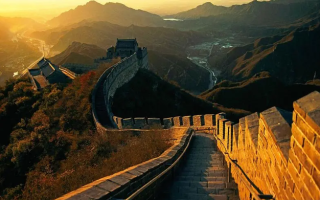
- Millennia-Long Interactions Between Agrarian and Nomadic Peoples: Roughly aligned with the 400-millimeter annual precipitation line, the Great Wall divided ancient China into the agricultural heartland in the southeast and nomadic grasslands in the northwest. These divergent economic systems triggered millennia of conflict and integration. Dynasties of the Central Plains built the Great Wall to fend off nomadic tribes, while nomadic groups frequently migrated southward. Their interactions entailed not only warfare but also sweeping exchanges of culture, technology, and bloodlines, enriching the connotation of the Chinese nation over time.
🎭 Shaped by Mountains and Rivers: Regional Cultures and National Temperament
As an ancient proverb goes: Oranges grown south of the Huai River bear sweet fruit, yet the same seed yields bitter trifoliate oranges north of the river. Geographical discrepancies left indelible marks on cultural development.
- Northern and Southern Cultural Dispositions: Broadly speaking, the Qinling-Huaihe Line demarcates two contrasting cultural temperaments. The northern regions feature deep soil and broad rivers, nurturing bold, impassioned souls reflected in majestic, grand literary and artistic styles. The water-abundant south fostered a romantic, ethereal cultural spirit, with arts leaning toward delicate emotional expression and graceful elegance. This divide can be traced all the way back to The Book of Songs (a northern literary classic) and Chu Ci (a southern poetic anthology), persisting throughout the entire history of Chinese literature.
- Regionally Adapted Artistic Creation: Geography further dictated forms of architecture, painting, and other arts. Western civilizations predominantly built with stone, while traditional Chinese architecture relied chiefly on timber and earth — a choice shaped by vast loess plateaus and abundant forest resources across China. The workable nature of loess and structural advantages of timber combined to create China’s signature timber-framed architecture, characterized by horizontal sprawl rather than vertical height. Likewise, the towering grandeur or serene grace of varied landscapes defined the artistic conception and brushwork of traditional Chinese landscape painting.
💎 Conclusion: Geography as a Vessel for Culture, Not an Inescapable Fate
Ancient China’s geographical environment laid a grand stage and fundamental blueprint for its civilization: it sustained an unbroken, self-contained civilization, fostered the tradition of centralized governance, forged an integrated plural agricultural system, and birthed vastly different northern and southern cultural landscapes.
While geographical factors were pivotal, they served merely as a vessel brimming with possibilities, rather than an unalterable destiny prescribing a single developmental path. The extraordinary brilliance of Chinese culture lies precisely in the immense creativity, adaptability, and integrative capacity its people demonstrated while navigating geographical opportunities and hardships. Over millennia, they wove geographically diverse regions into a culturally unified homeland through diligent cultivation and inclusive assimilation.